Ultimate Tips for Choosing Synthetic Thatch Roofing for Your Home?
When considering roofing options, "Synthetic Thatch Roofing" stands out for its attractive appearance and durability. According to a report by the National Roofing Contractors Association, synthetic roofing materials have seen a 25% increase in adoption over the last five years. Homeowners are seeking alternatives that combine aesthetic appeal with long-lasting performance.
Choosing synthetic thatch can enhance a home’s visual charm. It mimics traditional thatch while offering weather resistance. This roofing material can withstand harsh conditions, potentially lasting over 50 years with minimal maintenance. However, not every product is created equal. Some homeowners may find that initial costs can be higher than traditional options. It’s crucial to compare warranties and product specifications before making a decision.
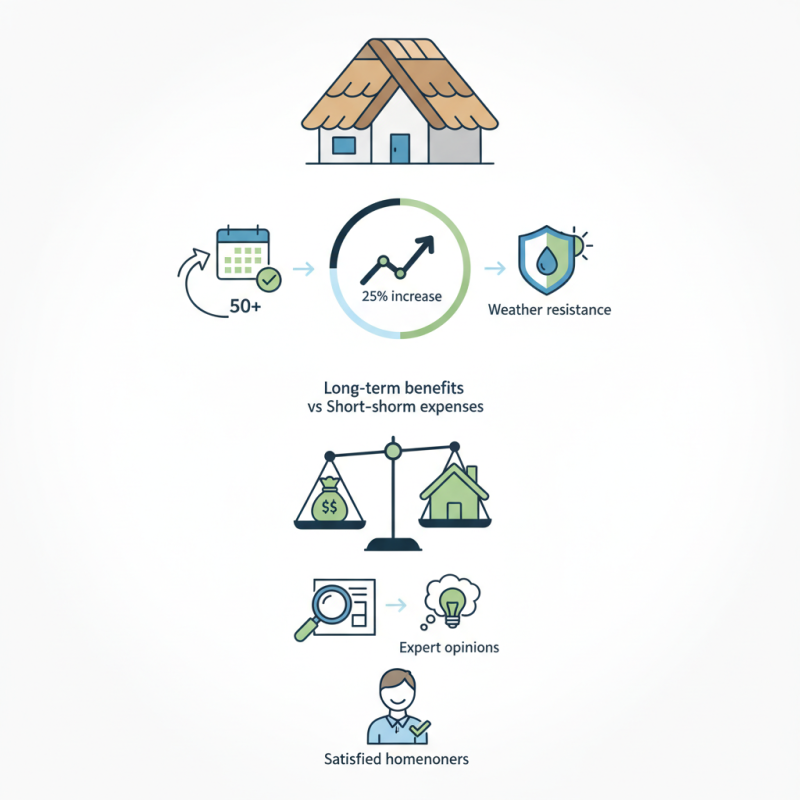
Furthermore, potential buyers should reflect on the long-term benefits versus short-term expenses. Even with clear advantages, some might still hesitate due to the unfamiliarity of synthetic materials. Understanding the market and seeking expert opinions may help. Research indicates that informed consumers are more likely to feel satisfied with their roofing choices.
Understanding Synthetic Thatch Roofing: Materials and Benefits
Synthetic thatch roofing is an innovative option for homeowners seeking a durable and stylish exterior. This material mimics the appearance of natural thatch while offering enhanced longevity and performance. According to industry reports, synthetic thatch can last up to 50 years, compared to natural materials that may need replacement every 15 to 25 years. This longevity can significantly reduce costs over time.
The materials used in synthetic thatch roofing are often made from high-quality polymers. These materials are resistant to fire, pests, and rot, making them suitable for various climates. Additionally, synthetic thatch can reflect sunlight, improving energy efficiency. Despite these benefits, some homeowners remain concerned about the environmental impact of synthetic materials. Finding a balance between aesthetics and sustainability is crucial.
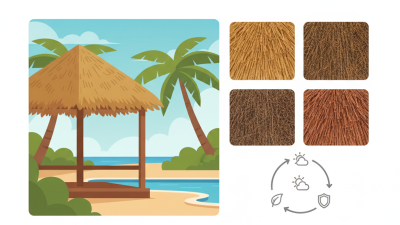
Color and style choices can vary widely. Some synthetic thatch products come in bold hues, while others simulate traditional shades. It’s important to assess how these options fit with your home's design. Not all synthetic thatch products are created equal; inferior types may not hold up well in severe weather. Researching and choosing reputable sources is essential for success.
Evaluating Your Home’s Architecture for Synthetic Thatch Compatibility
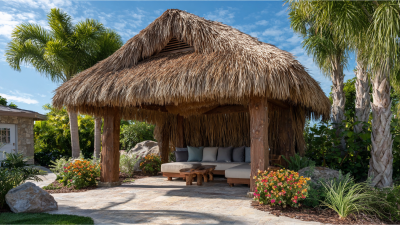
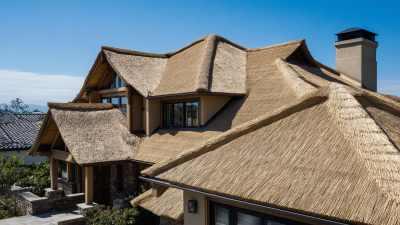
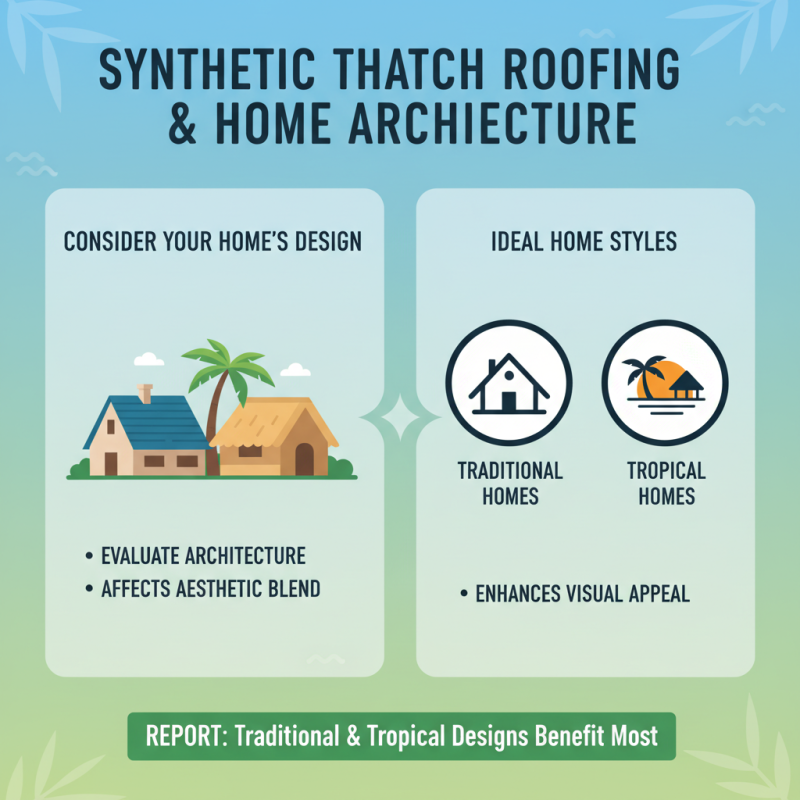
When considering synthetic thatch roofing, it’s crucial to evaluate your home’s architecture. The design of your home significantly influences how well synthetic thatch will blend with your overall aesthetic. According to a recent industry report, homes with traditional or tropical designs benefit most from this roofing option. The textures and colors of synthetic thatch can enhance the visual appeal of such structures.
Notably, the pitch of your roof also plays a role. Research shows that roofs with a steeper pitch can better showcase the distinct layers of synthetic thatch. However, this choice isn't one-size-fits-all. If your home features modern or minimalist architecture, synthetic thatch might seem out of place. Homeowners must reflect on their surroundings and local architectural trends.
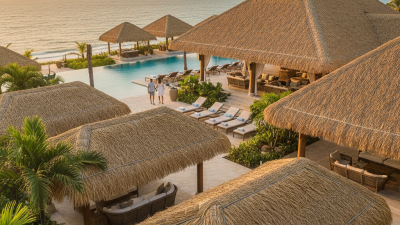
Additionally, the local climate should be a consideration. Synthetic thatch is durable and resistant to various weather conditions, yet its aesthetic may not suit every environment. Homes in coastal areas may benefit from thatch, while homes in urban settings may find it less harmonious. Measuring these factors can lead to a more cohesive appearance that fits your home's character.
Factors to Consider When Choosing Synthetic Thatch Roofing Suppliers
When selecting synthetic thatch roofing suppliers, it's crucial to evaluate their materials carefully. According to a 2022 industry report, about 40% of roofing failures relate to poor-quality materials. Look for suppliers who provide detailed information on their products. A good supplier should offer specifications on UV resistance, fire ratings, and lifespan.
Inspecting the installation process is equally important. Reports suggest that improper installation can reduce a roof's life by up to 30%. Ensure that the supplier offers installation services or guidance, especially on proper techniques. This reflects their commitment to quality.
Additionally, customer reviews play a vital role. Nearly 70% of consumers check reviews before purchasing. Analyze feedback about durability and aesthetics. Do not overlook the importance of warranty periods. A reliable supplier typically offers warranties ranging from 10 to 30 years. It’s essential to weigh these factors against the cost. A lower price might indicate compromise on quality. Take your time. A well-informed decision leads to lasting satisfaction.
Installation Process: Hiring Professionals vs. DIY Options
When considering synthetic thatch roofing, the installation process is crucial. Hiring professionals can ensure a proper installation. According to the National Roofing Contractors Association, nearly 70% of successful roofing projects involve skilled installers. They have the experience and tools to handle challenges that may arise during the process. Professionals can also provide warranties that DIY projects cannot.
On the other hand, opting for a DIY approach can save money. Many homeowners find satisfaction in completing a project themselves. However, without experience, this might lead to mistakes. A report from the Home Improvement Research Institute states that nearly 30% of DIYers encounter significant issues. Common pitfalls include improper sealing and misalignment. These errors can lead to costly repairs down the line, undermining initial savings. Balancing cost and skill is essential.
Ultimate Tips for Choosing Synthetic Thatch Roofing: Installation Process
This chart illustrates the average cost of installing synthetic thatch roofing through DIY methods versus hiring professionals. As seen, while DIY installations are significantly cheaper, hiring experts ensures quality and durability, which may justify the higher investment.
Maintenance Tips for Long-lasting Synthetic Thatch Roofing
Maintaining synthetic thatch roofing is crucial for its longevity. Regular inspections are vital. Check for debris accumulation. Leaves and twigs can cause moisture buildup. This might lead to mold or other issues. A quick inspection once a month can help you catch problems early.
Cleaning is essential. Use a soft brush to remove dirt and grime. Avoid harsh chemicals that could damage the materials. Rinse with gentle water pressure. Too much force can loosen the thatch. It’s wise to schedule a deep clean at least once a year. This keeps the roof looking new and functional.
Repairing minor damages quickly can save money in the long run. Look for frayed edges or loose sections. Use appropriate adhesive or replacement pieces. Ignoring small issues can lead to bigger problems. Taking time for these maintenance tasks can make a significant difference. Enjoy your beautiful roof without worries!
Ultimate Tips for Choosing Synthetic Thatch Roofing for Your Home? - Maintenance Tips for Long-lasting Synthetic Thatch Roofing
| Aspect |
Recommendation |
Maintenance Tips |
| Material Quality |
Select high-quality synthetic materials that mimic natural thatch. |
Inspect for any damage or fading every six months. |
| Color & Style |
Choose colors that blend well with your home’s architecture. |
Clean with a mild detergent regularly to maintain color vibrancy. |
| Installation |
Hire professionals with experience in synthetic thatch installation. |
Check for loose tiles and secure them to prevent leaks. |
| Weather Resistance |
Ensure UV and moisture resistance in the roofing product. |
Trim overhanging branches to reduce debris accumulation. |
| Warranty |
Look for a long warranty period (15+ years) for peace of mind. |
Keep warranty information and receipts for maintenance claims. |