Leave Your Message
Please agree to this agreement

What is Rubber And Plastic Roof Tile and How Does It Benefit Your Home?

Rubber and plastic roof tiles are gaining popularity in modern construction. They offer durability and aesthetic appeal. According to Dr. Emily Grant, a leading expert in roofing materials, “Rubber and plastic roof tiles can transform your home’s exterior while providing long-lasting protection.”

These innovative tiles are eco-friendly and often made from recycled materials. They resist harsh weather, which makes them suitable for various climates. Homeowners appreciate their low maintenance requirements. However, some may not fully understand their benefits.

While the initial investment can be higher, the long-term savings on repairs and energy efficiency often outweigh these costs. Some homeowners worry about installation challenges. It's crucial to choose a qualified contractor for the best results. Reflecting on these aspects helps in making an informed decision about roofing choices. Rubber and plastic roof tiles are certainly worth considering for their unique advantages.
What is Rubber And Plastic Roof Tile and How Does It Benefit Your Home?

Understanding Rubber and Plastic Roof Tiles: An Overview

Rubber and plastic roof tiles are innovative materials gaining popularity in the construction industry. Made from recycled materials, these tiles offer an eco-friendly alternative to traditional roofing. They are durable, lightweight, and resistant to extreme weather conditions. According to a recent industry report, over 40% of homeowners are now considering synthetic roofing options due to their long lifespan and cost-effectiveness.

One key benefit is insulation. Rubber and plastic tiles provide excellent thermal performance, reducing energy bills by up to 30%. Many homeowners appreciate the noise reduction as well. While there are advantages, it’s important to reflect on potential drawbacks. Installation can be complex, requiring skilled labor. Improper installation may lead to leaks or other issues.

Tips: When choosing roof tiles, consider your local climate. Materials that perform well in a humid environment may not fare as well in arid regions. It’s also wise to weigh the upfront costs against long-term savings. Ensure proper maintenance to extend the lifespan of your roof. Regular inspections can help identify potential problems before they become major repairs.
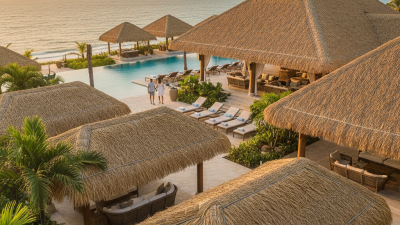
Benefits of Rubber and Plastic Roof Tiles for Your Home

Types of Rubber and Plastic Roof Tiles Available for Homeowners

What is Rubber And Plastic Roof Tile and How Does It Benefit Your Home?

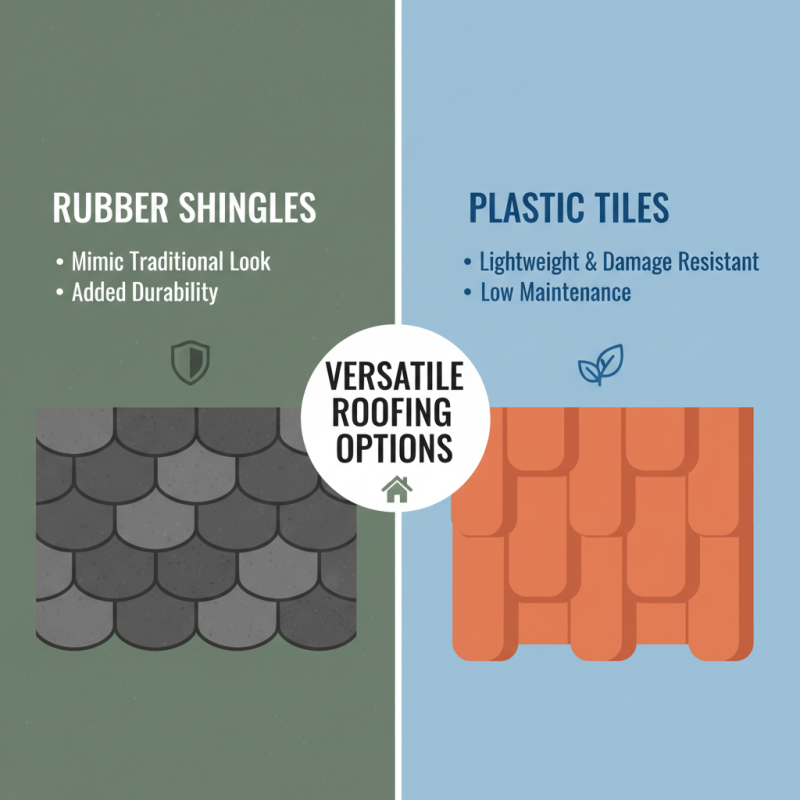
Rubber and plastic roof tiles offer homeowners a versatile roofing option. These tiles come in various types, each offering unique benefits. One popular type is rubber shingles. They mimic the look of traditional shingles but provide added durability. Another option is plastic tiles. These are lightweight and resistant to damage. Homeowners appreciate their low maintenance needs.

Interlocking tiles are another type that helps with easy installation. They create a secure fit that can withstand harsh weather conditions. Additionally, tiles that resemble slate or wood add aesthetic appeal. However, some homeowners worry about the longevity of these materials. They may require periodic inspection to maintain their appearance.

Cost is a significant factor for many. Rubber and plastic tiles often cost more upfront but can save money long-term. They reduce the need for repairs and replacements. Despite their advantages, it's crucial to research options thoroughly before making a decision. Not all tiles perform equally in different climates.

Advantages of Using Rubber and Plastic Roof Tiles for Your Home

What is Rubber And Plastic Roof Tile and How Does It Benefit Your Home?

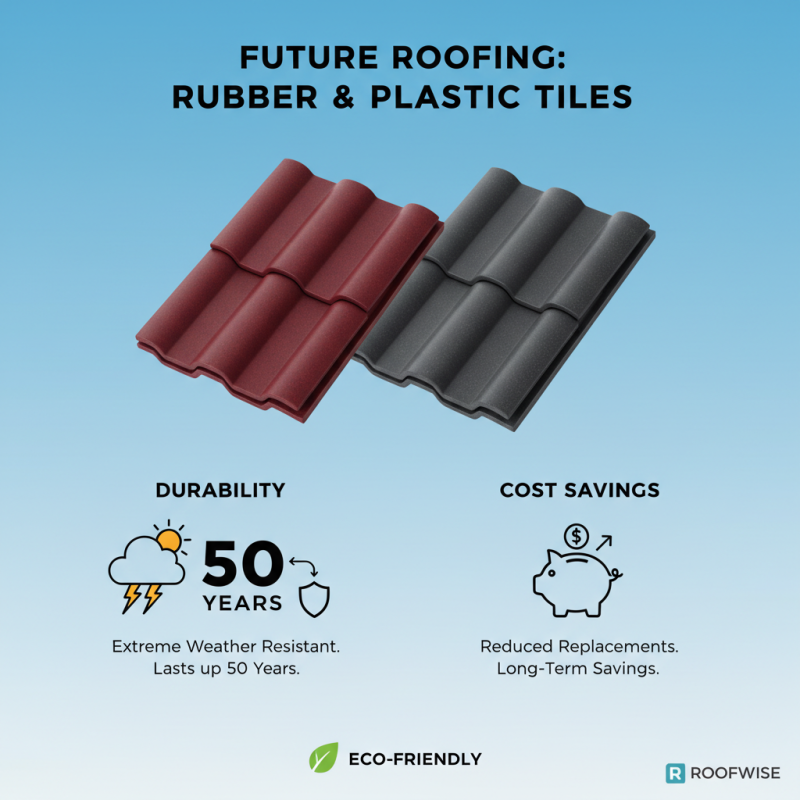
Rubber and plastic roof tiles are becoming increasingly popular for homeowners. They offer a variety of benefits that can enhance any residential property. One of the main advantages is their durability. According to industry reports, rubber tiles can withstand extreme weather, lasting up to 50 years. This longevity helps to reduce the need for frequent replacements, ultimately saving homeowners money.

In addition to durability, these roof tiles are lightweight and easy to install. This means lower installation costs. The flexibility of rubber and plastic allows for easier handling, making the installation process more efficient. Many homeowners appreciate the versatility in design as well. Various styles and colors can mimic traditional roofing materials without the associated weight.

Tip: It’s essential to evaluate your local climate when selecting roofing materials. Some rubber tiles perform better in certain weather conditions than others.

Another consideration is insulation. Rubber and plastic tiles can provide better insulation than traditional materials. This can lead to lower energy bills, particularly in extreme climates. Homes may stay cooler in summer and retain heat in winter. This can also reduce the strain on heating and cooling systems.

Tip: Consult with an expert who can guide you on the thermal performance of different options available on the market.

While there are many advantages, it's worth noting that not all products are created equally. Some rubber tiles may fade or lose their structural integrity over time. Researching products thoroughly before making a choice can mitigate potential issues.

Installation Process of Rubber and Plastic Roof Tiles Explained

The installation process for rubber and plastic roof tiles can be straightforward but requires attention to detail. These tiles are generally light, which makes handling easier. They can be installed over existing roofs, reducing labor and material costs. According to industry data, this method can cut installation time by up to 30%. However, ensuring a proper base is crucial. An uneven surface can lead to leaks or damage over time.

Before beginning, assess the current roof condition. It may need repairs or reinforcement. Clear debris and ensure the surface is clean. This preparation phase is often overlooked. Skipping it can result in serious issues later. The interlocking design of rubber and plastic tiles helps create a watertight seal. Still, gaps can form if tiles are not aligned correctly.

Once you start, follow the manufacturer's guidelines for placement. Use appropriate adhesives or fasteners as specified. As per roofing studies, improper installation can reduce lifespan by 20% or more. Regular inspections after installation are vital. This practice can catch potential problems early before they escalate.

Maintenance Tips for Longevity of Rubber and Plastic Roof Tiles

Maintaining rubber and plastic roof tiles is crucial for their longevity. Regular inspections can catch small issues early. Look for signs of wear, cracks, or loose tiles. A simple visual check can prevent bigger problems later. Cleaning debris is essential. Leaves, dirt, and moss can trap moisture. This can lead to damage and mold growth.

Use a soft brush and mild detergent for cleaning. Avoid harsh chemicals that can harm the tiles. The roof drainage system should be clear. Clogged gutters can cause water overflow, leading to leaks. Pay attention to water pooling on the roof. It might indicate drainage issues and should be addressed promptly.

While rubber and plastic roofs are durable, they still need care. A good practice is to schedule annual professional inspections. Sometimes, small repairs are missed during routine checks. This can lead to bigger, costly repairs down the line. Keeping a maintenance log helps track necessary work, ensuring you stay ahead of potential issues.

What is Rubber And Plastic Roof Tile and How Does It Benefit Your Home? - Maintenance Tips for Longevity of Rubber and Plastic Roof Tiles

Attribute Rubber Roof Tiles Plastic Roof Tiles
Material Composition Made from recycled rubber Made from various plastics, often recycled
Durability Can last up to 50 years Can last around 30-50 years
Weather Resistance Excellent resistance to extreme weather Good, but may fade over time
Weight Lightweight, easy to install Generally lightweight as well
Maintenance Requires periodic cleaning Minimal maintenance needed
Environmental Impact Made from recycled materials Can also be made from recycled plastics
Aesthetic Options Variety of colors and styles available Wide range of designs and colors
Cost Moderate initial cost Generally affordable