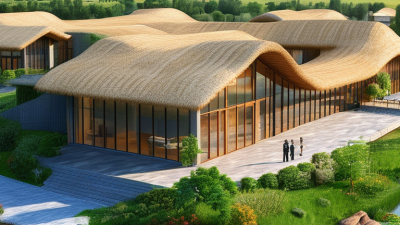
What is Plastic Thatch Roof Benefits and Applications?
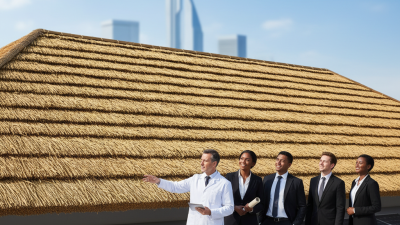
The growing popularity of Plastic Thatch Roof systems highlights their unique benefits in modern architecture. According to industry expert Dr. Linda Thompson, "Plastic Thatch Roof provides an innovative solution that combines durability with aesthetic appeal." This statement reflects the increasing recognition of such materials in diverse construction applications.
Plastic Thatch Roofs offer a sustainable choice for eco-conscious builders. Unlike traditional thatch, these roofs resist rot and insect damage. They provide excellent insulation, making buildings more energy-efficient. Additionally, the lightweight nature simplifies installation, saving time and labor costs. Yet, the industry must address the perception that synthetic materials lack authenticity.
While many appreciate the visual charm of Plastic Thatch Roofs, some critics question their long-term performance. Ongoing research is necessary to assess durability under extreme weather conditions. This evolving field calls for collaboration between manufacturers and architects to refine these materials. The journey toward perfecting Plastic Thatch Roof technology requires both innovation and reflection on existing practices.
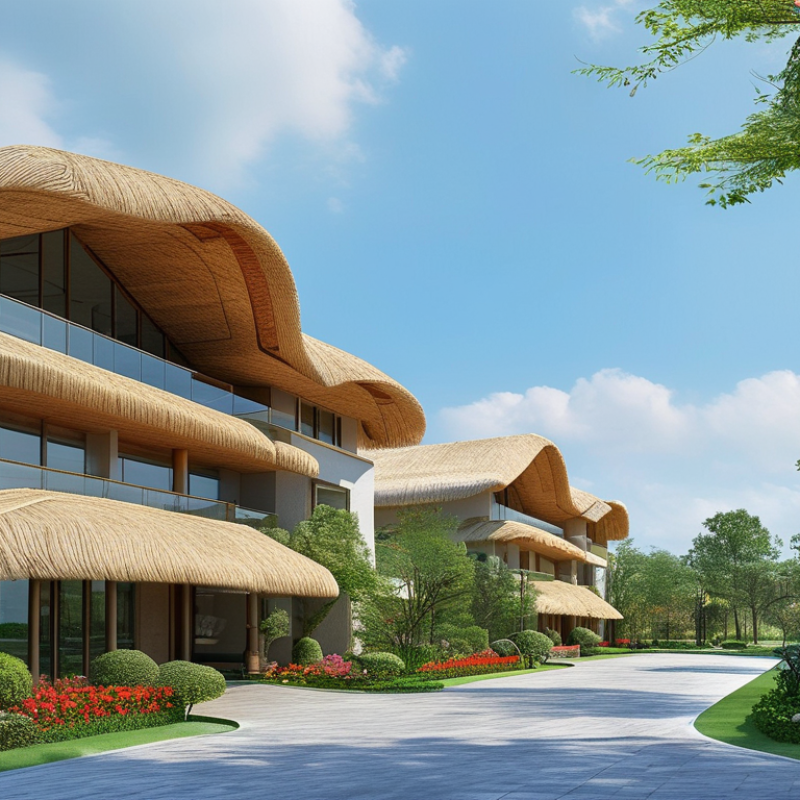
Benefits of Plastic Thatch Roofing Compared to Traditional Thatch
Plastic thatch roofing offers several advantages over traditional thatching materials. One key benefit is its durability. Plastic thatch can withstand harsh weather conditions without degrading. In contrast, natural materials may rot or attract pests over time. This effectively reduces maintenance efforts and costs. Homeowners appreciate the longevity of plastic options. They look good, remaining intact for years.
Another advantage is the variety of styles and colors available with plastic thatch. This allows for greater design flexibility while ensuring aesthetic appeal. Choosing the right shade can complement a tropical or coastal style beautifully. Traditional thatch, often limited in coloration, may not suit every taste.
While some may feel that plastic lacks the authenticity of natural materials, it's worth considering practical needs. The lightweight nature of plastic makes it easier to install. This not only saves time but can also reduce labor costs. For those who prioritize sustainability, many plastic thatch products are recyclable. This raises important questions about environmental impacts versus aesthetic preferences in roofing materials.
Applications of Plastic Thatch Roofs in Residential Settings
Plastic thatch roofs are becoming a popular choice for residential buildings. They provide a natural, aesthetic look while offering practical benefits. One of the key advantages is their durability. Unlike traditional thatch, plastic thatch is resistant to rot and pests. Homeowners often express satisfaction with its long lifespan and minimal maintenance needs.
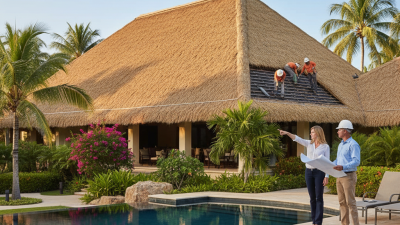
In residential settings, plastic thatch roofs can be used for gazebos, pergolas, and even entire houses. They enhance outdoor spaces, creating a tropical feel. Patios covered with plastic thatch provide shelter from the sun. This type of roofing also maintains a cooler environment underneath. However, color fading can be an issue over time. It is important for homeowners to consider how much sun exposure their roofs will receive. Some users point out that while the initial cost may seem higher, the long-term savings in repairs make it worthwhile.
Though initially seen as a niche option, more homeowners are embracing plastic thatch roofs. Their unique appearance bridges modern and traditional styles. However, not all installations meet the same quality standards. Researching installation techniques is crucial for achieving the best outcome. Homeowners should also seek out experienced professionals for proper installation.
Durability and Longevity of Plastic Thatch Roof Materials
Plastic thatch roofs offer remarkable durability and longevity. Unlike traditional thatch, which can degrade due to weather elements, plastic thatch is engineered for resilience. It withstands harsh sunlight, heavy rain, and even strong winds. This material does not rot, making it a practical choice for humid climates.
The lifespan of plastic thatch can exceed 30 years with proper maintenance. This is significantly longer than natural thatch, which often needs replacement every few years. Homeowners often appreciate the minimal upkeep involved. However, it's essential to ensure installation is done correctly. Poor installation can lead to leaks or structural issues, diminishing the benefits.
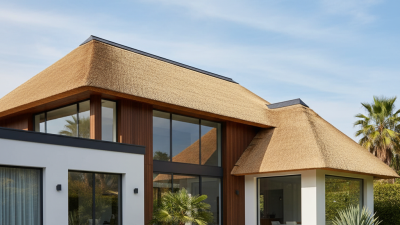
Another aspect worth noting is the aesthetic appeal of plastic thatch. It can replicate the appearance of traditional thatch, blending seamlessly with natural surroundings. Still, some may question whether it feels as genuine as natural materials. While many appreciate its look, others might feel it lacks authenticity. There’s a balance to strike between longevity and the natural charm of traditional thatch.
Environmental Impact of Plastic Thatch Roofs and Sustainability
Plastic thatch roofs offer unique benefits while addressing environmental concerns. They are made from recycled materials, which reduces waste in landfills. This innovative roofing option mimics traditional thatch but lasts much longer. Its durability means fewer replacements and less resource consumption over time.
The sustainability of plastic thatch roofs lies in their energy efficiency. They provide excellent insulation, lowering heating and cooling costs. This can lead to significant energy savings for homeowners and businesses. However, the production process does involve energy consumption and emissions, which prompts further reflection on the materials used.
While plastic thatch roofs are beneficial, they also pose questions. They don't biodegrade easily, unlike natural thatch. This raises concerns about long-term waste management. Exploring alternative materials remains essential. Yet the move towards sustainable options, such as plastic thatch, represents a step forward in construction practices. More research and development in this area could lead to even better solutions for our environment.
What is Plastic Thatch Roof Benefits and Applications? - Environmental Impact of Plastic Thatch Roofs and Sustainability
| Benefit/Feature |
Description |
Environmental Impact |
Applications |
| Durability |
Plastic thatch roofs are resistant to harsh weather conditions, including rain and sun. |
Reduces the need for frequent replacements, lowering waste. |
Residential and commercial buildings. |
| Low Maintenance |
Requires minimal upkeep compared to natural materials. |
Less resource-intensive over time. |
Holiday homes and resorts. |
| Lightweight |
Easier to transport and install than natural thatch. |
Lower carbon footprint during transportation. |
Outdoor structures like gazebos and pavilions. |
| Aesthetic Appeal |
Provides a natural look similar to traditional thatch. |
Helps preserve the cultural aesthetics of certain areas. |
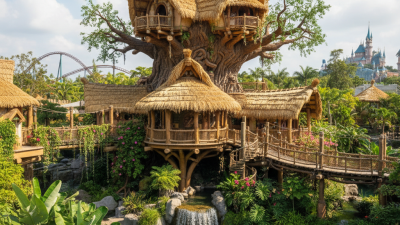
Theme parks and recreational areas. |
| Water Resistant |
Impermeable to moisture, reducing mold growth. |
Supports healthier indoor air quality. |
Coastal habitats and areas with high rainfall. |
Installation Considerations for Plastic Thatch Roofing Systems
When considering plastic thatch roofing systems, installation plays a crucial role. Proper installation ensures longevity and effectiveness. The surface must be clean and secure. It is crucial to inspect the underlying structure carefully. Any flaws can lead to future problems. Check for moisture damage or rot in wooden areas. These details are often overlooked but vital for roof durability.
Utilizing the right tools for installation is equally important. A steep pitch can make work challenging. Skilled professionals should handle complex sections. They can navigate tricky angles, ensuring a snug fit. Improper installation can result in gaps, which may allow water to leak through. Moreover, ensure that ventilations are appropriately placed. Adequate airflow prevents mold and other moisture issues. Skipping this step can lead to regrets later.
Lastly, reviewing local building codes can be beneficial. Compliance ensures safety and avoids potential fines. Some areas may have specific requirements for roofing materials. Ignoring them can complicate the installation process. Always research before starting your project. This approach may prevent future headaches. With careful planning and execution, plastic thatch roofing can provide an appealing and functional choice.