Top 5 Fireproof Thatch Roof Solutions for Your Home?
When considering home safety, protecting against fire hazards is crucial. A Fireproof Thatch Roof offers an appealing blend of traditional aesthetics and modern safety features. Many homeowners cherish natural thatch roofs for their beauty and insulation properties. However, standard thatch is susceptible to fire. This concern leads to the need for innovative solutions.
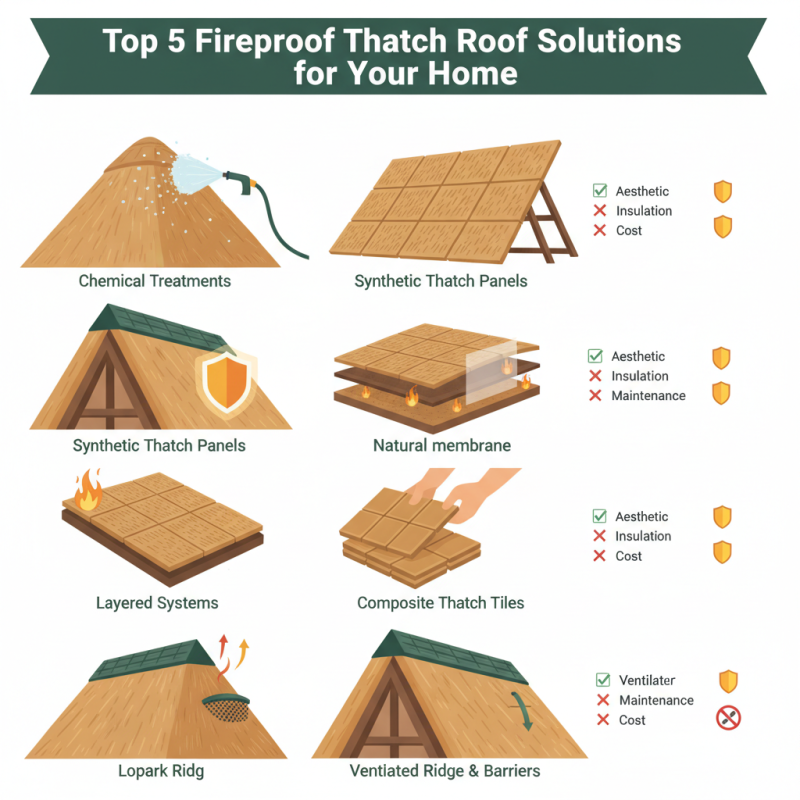
Fireproofing thatch roofs can transform their safety profile. Developers have introduced materials that enhance fire resistance, making fireproof thatch roofs a reliable choice. Different approaches exist, each with unique characteristics. Some solutions focus on chemical treatments, while others utilize synthetic substitutes or combined materials. Each option carries pros and cons.
Choosing the right fireproof thatch roof solution depends on several factors. Consider climate, visual appeal, and budget constraints. As more homeowners seek fireproof options, awareness increases. It is important to evaluate available choices and their long-term effectiveness. Solutions must be not only effective but also aesthetically pleasing. This balance can be challenging, yet it is vital for modern living.
Fireproof Thatch Roof Overview: Benefits and Importance
Thatch roofs have a unique charm, but fire safety is crucial. Thatched roofs can pose a fire risk due to their organic materials. However, advancements in fireproofing techniques have made it easier to protect these beautiful roofs.
Importance of fireproofing cannot be overstated. It not only enhances safety but also prolongs the lifespan of roofs. Fire-resistant treatments can significantly decrease the likelihood of fire damage. A fireproof thatch roof can add value to your home. Homeowners can rest easier knowing their property is safeguarded against potential fires.
Tips: Regular maintenance is key to fire safety. Inspect your thatched roof for debris buildup. Remove any leaves or branches that might accumulate. Consider adding fire breaks to reduce fire spread. Always consult professionals for proper fireproofing methods. Remember, investing in fireproofing now may prevent future headaches.
Material Options for Fireproofing Thatch Roofs
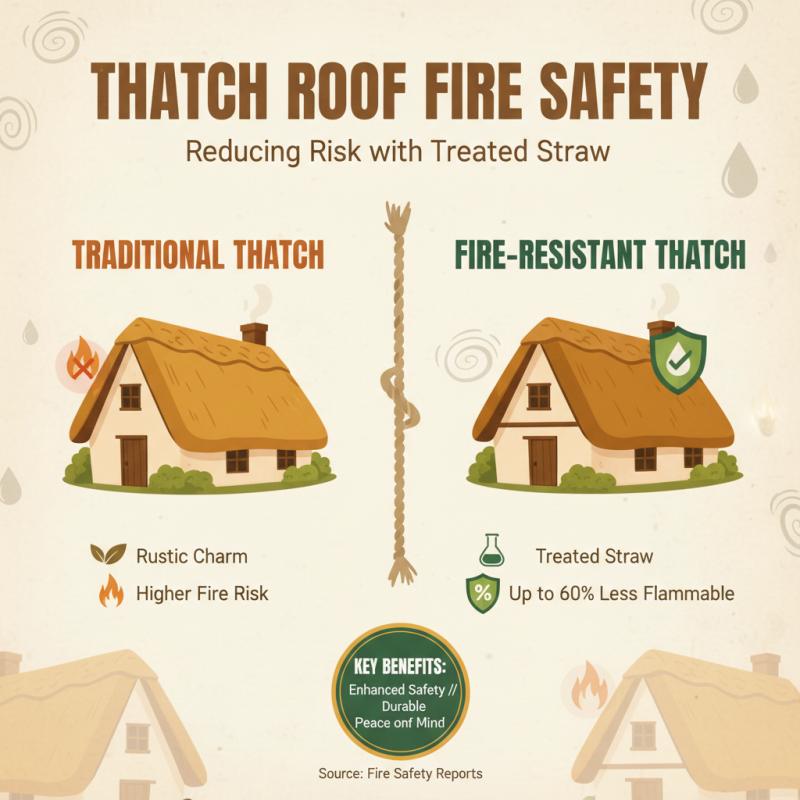
Thatching provides a rustic charm but poses a fire risk. Fireproofing options exist. One of the leading materials for enhancing fire resistance is treated straw. Recent studies indicate that chemically treated straw can withstand higher temperatures, significantly reducing flammability. In fact, treated straw can lower fire risk by up to 60%, according to fire safety reports.
Another material to consider is mineral-based thatch. This option involves blending natural thatch with mineral elements, creating a fire-resistant barrier. Experts note that mineralization not only increases durability but also extends the roof's lifespan. Moreover, this method can adapt to various climates, making it a versatile choice for different homes.
**Tip:** Regular inspections are essential. Be proactive in identifying wear and tear in roofing material.
Consider using fire-retardant sprays as an additional measure. These sprays can coat natural thatch, enhancing its resistance to flames. Some homeowners have reported improvements in safety ratings after applying these solutions.
**Tip:** Always consult with a fire safety expert before applying any chemicals. The wrong choice can reduce effectiveness.
Effective fireproofing of thatch roofs requires thoughtful material selection and maintenance strategies. Adopting these practices strengthens your home's safety while preserving its unique aesthetic.
Innovative Fire Retardant Treatments for Thatch Roofs
Thatch roofs are charming but can pose fire risks. To make them safer, innovative fire retardant treatments exist. These treatments reduce the flammability of natural materials. Most involve applying a special chemical solution. This can help protect your home from potential fire hazards.
Consider using a water-based fire retardant. This type penetrates the thatch and forms a barrier. It can withstand moderate heat. Application is straightforward, but it requires regular maintenance. Reapplying every couple of years is advisable. Be mindful, though—effectiveness may wane over time.
Another option is using a natural mineral solution. This method utilizes minerals to enhance fire resistance. It changes the chemical composition of thatch. However, it may not provide complete protection. Homeowners should weigh the pros and cons carefully. Balancing aesthetics and safety often leads to tough decisions.
Installation Techniques for Enhancing Roof Fire Resistance
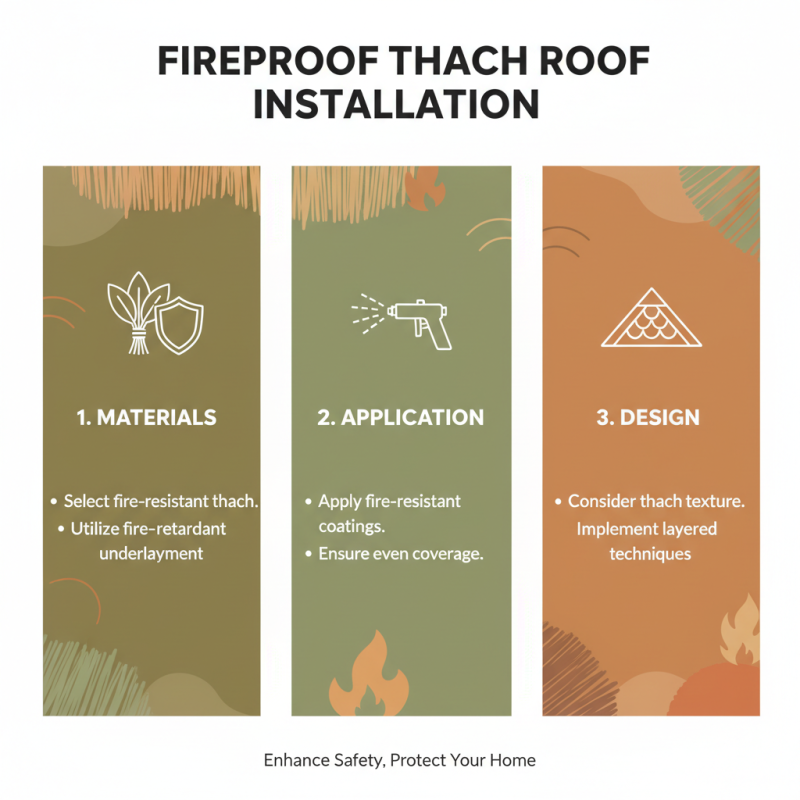
When installing a fireproof thatch roof, careful techniques can enhance safety. Selecting the right materials is crucial. In some regions, fire-resistant coatings are available. These can be sprayed onto thatch for added protection. Different textures can affect how flames interact with the roof.
Proper installation methods also play a significant role. Ensure that the thatch is tightly bound and secured. Gaps can allow embers to settle, creating risks. Ventilation must also be considered. Poorly ventilated spaces can trap heat and increase fire risks. Regular maintenance checks should not be overlooked either.
Yet, even with precautions, there's always a chance of fire. Despite using fireproof materials, vigilance is essential. Homeowners should consider creating defensible space around their property. Firebreaks and cleared vegetation are practical steps. Awareness and preparation can make a significant difference in outcomes.
Maintenance Tips for Long-lasting Fireproof Thatch Roofs
When it comes to maintaining a fireproof thatch roof, regular inspections are crucial. Experts recommend checking the roof at least twice a year. Look for loose thatch or damaged areas. These spots can become more vulnerable to fire risks. According to a report by the National Fire Protection Association, properly maintained thatch roofs can reduce fire hazards by 60%.
Another important aspect is treatment. Use fire retardant treatments specifically designed for thatch materials. These treatments need to be re-applied every few years. A report from the Thatch Protection Council indicates that homes with treated roofs have a 70% lower chance of fire damage compared to untreated roofs. Neglecting this can lead to increased risks.
Lastly, keep the surrounding area clear. Trim back trees and vegetation. Regularly remove debris from the roof. A survey showed that 80% of residential fires start within a few feet of homes. A clean perimeter can help. However, be cautious. Overtrimming can expose the roof to weather damage. Finding balance in maintenance routines is essential but can often be overlooked.