2026 Best Fireproof Artificial Thatch Options for Your Home?
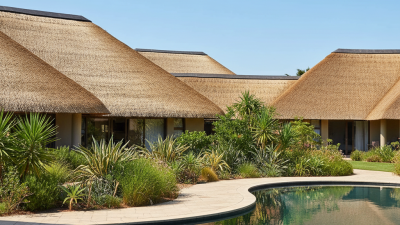
Fireproof Artificial Thatch is gaining popularity in residential construction. As homeowners seek safety and aesthetic appeal, this option stands out. According to a recent industry report, nearly 30% of new houses in fire-prone areas now use fireproof roofing materials. This trend reflects a growing awareness of fire hazards, especially in suburban regions.
Choosing the right fireproof artificial thatch requires understanding various options available. Many products today mimic natural thatch while providing superior fire resistance. For instance, some options can withstand temperatures up to 1,000 degrees Fahrenheit. However, not all products meet rigorous safety standards. Homeowners should verify certifications to avoid potential safety risks.
Investing in Fireproof Artificial Thatch also raises questions about long-term durability and maintenance. Many artificial options claim longevity, but real-world performance can vary. As more homeowners prioritize fire safety, industry standards must keep evolving. Ultimately, selecting the best fireproof thatch option is essential for both beauty and safety.
Overview of Fireproof Artificial Thatch and Its Importance
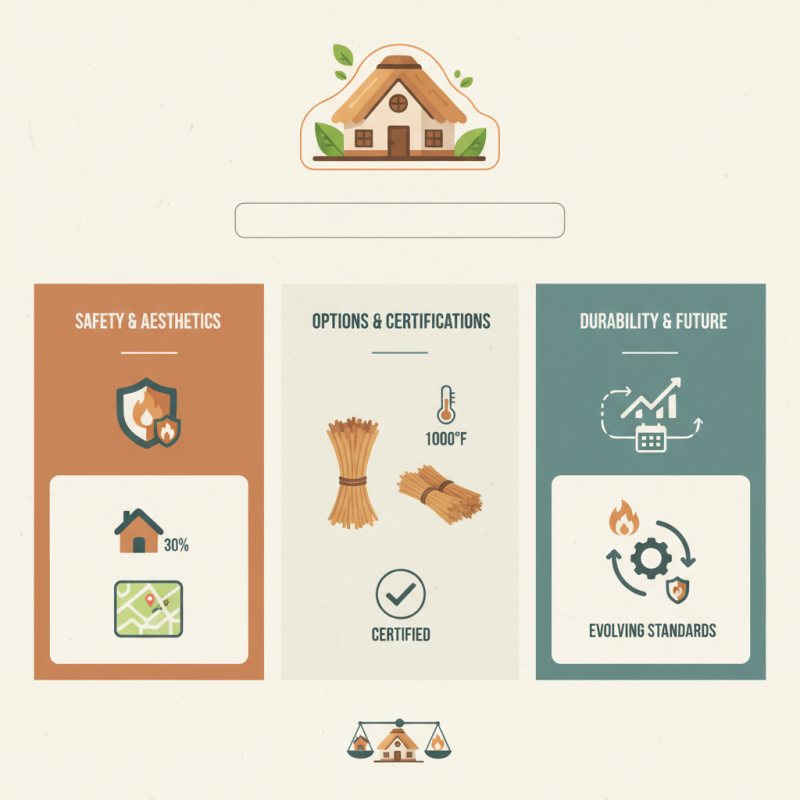
Fireproof artificial thatch has gained significant attention in home design. Its importance lies in enhancing safety while maintaining aesthetic appeal. Reports indicate that traditional thatch roofs can pose fire hazards, especially in dry climates. The National Fire Protection Association notes that over 80% of wildfires require adequate fire-resistant materials for effective prevention.
Artificial thatch provides an innovative solution. Many products now mimic the look of natural thatch but with fire-resistant properties. This is crucial, especially in areas vulnerable to wildfires. Studies show that homes with fireproof thatch can reduce the likelihood of ignition by up to 60%. However, not all fireproof materials are equal. Homeowners must investigate certifications and performance ratings to make informed choices.
Critics argue that the effectiveness of artificial options may not be consistently proven in real-world situations. The reliance on manufacturer claims can be misleading. Homeowners should consider durability and weather resistance as well. Artificial thatch can also degrade faster under certain conditions, which might counteract its fireproof benefits. This complexity highlights the need for thorough research and careful evaluations before installation.
Types of Fireproof Artificial Thatch Materials Available in 2026
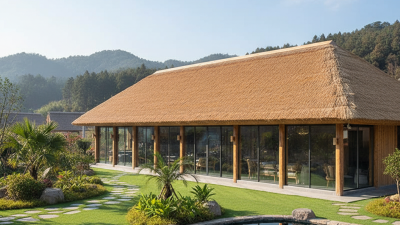
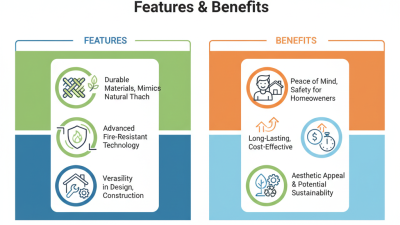
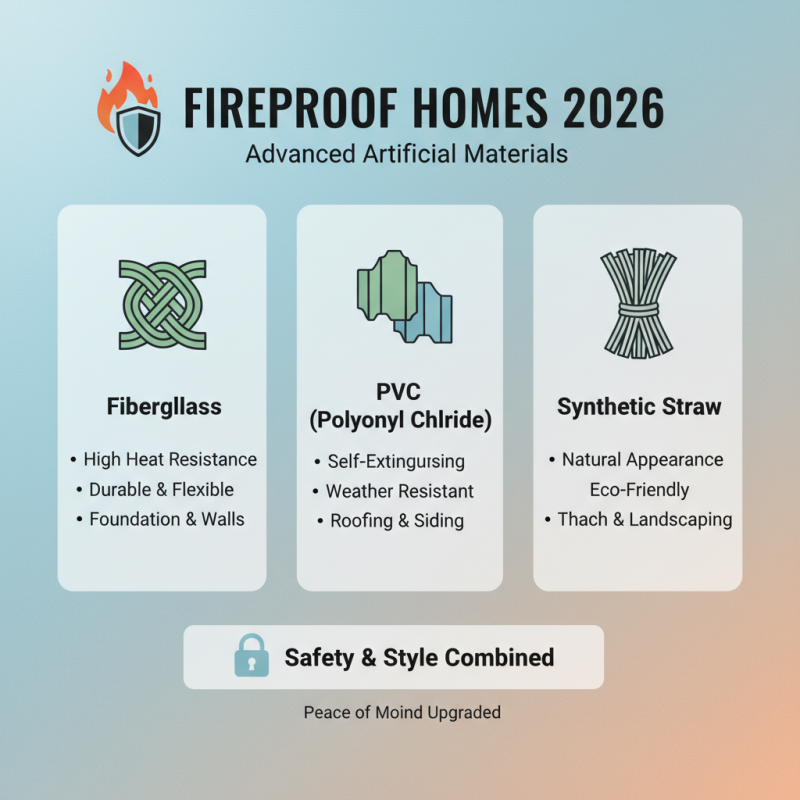
In 2026, fireproof artificial thatch options have evolved significantly. Homeowners are prioritizing safety without compromising aesthetics. The most common materials include fiberglass, PVC, and synthetic straw. These materials can withstand high temperatures, offering peace of mind.
Fiberglass thatch is widely respected for its durability and fire resistance. It is lightweight and does not support combustion. Reports indicate that fiberglass roofs can last up to 50 years with proper care. In contrast, PVC options are more affordable and easier to install. They are also waterproof and resistant to UV damage, making them a practical choice for many climates.
Synthetic straw remains popular for its visual appeal. While it looks like natural thatch, it requires regular maintenance to minimize fire risks. Additionally, not all brands guarantee true fire resistance. Therefore, it’s crucial to select materials that meet safety standards. Research shows that roofing fires account for 30% of all residential fires. This statistic underscores the importance of proper material selection. Always verify certifications before purchasing. Making the right choice can enhance both safety and home value.
Key Features to Consider When Choosing Fireproof Thatch Options
When selecting fireproof artificial thatch options for your home, several key features come into play. Understanding fire ratings is crucial. Look for materials rated Class A. This indicates the highest level of fire resistance. Check if the thatch maintains optimal airflow. Proper ventilation reduces heat buildup, which can lead to fire hazards.
Additionally, the overall weight and installation method matter. Heavy thatch may require stronger support structures. Lightweight options often ease the installation process. Consider the aesthetics, too. Variety in textures and colors allows you to personalize your space. Yet, balancing safety with visual appeal can be challenging.
Lastly, maintenance is an important aspect that cannot be ignored. Regular inspections are vital. Accumulated debris can become a fire risk. Some materials may require periodic treatments to maintain their fireproof qualities. It's essential to weigh these details against your lifestyle and needs. Reflect on how often you are willing to perform upkeep. This could impact your long-term satisfaction with your selection.
Top Brands and Products of Fireproof Artificial Thatch in 2026
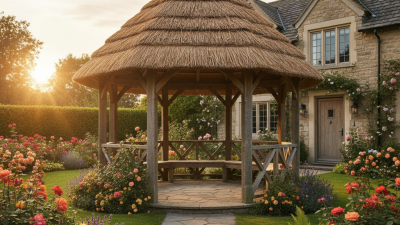
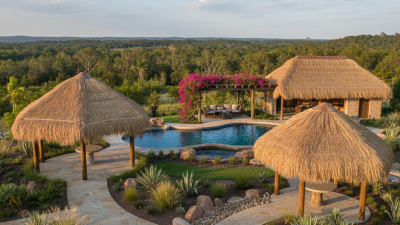
When considering fireproof artificial thatch for your home, it's essential to focus on various top products available in 2026. These options provide great aesthetic appeal while ensuring safety. Many products mimic the look of natural thatch closely. They can enhance any property’s curb appeal. However, not all products perform equally in different climates.
Fireproof options stand out in terms of durability and safety. They are treated to resist flames effectively. Some may even withstand extreme weather without fading. Buyers should research and compare textures and colors. A product that looks realistic is essential for maintaining a charming exterior. However, the price point can vary widely. Sometimes, cheaper options do not provide adequate fire resistance.
While many fireproof artificial thatch products claim to be the best, customer reviews tell a different story. Users often highlight the importance of installation. Poor installation can reduce the product's effectiveness significantly. Choosing the right installation team is crucial. Additionally, some products may require regular maintenance to retain their features. It’s wise to consider if you are willing to invest time and effort into upkeep.
2026 Best Fireproof Artificial Thatch Options for Your Home
Installation and Maintenance Tips for Fireproof Thatch Roofs
When considering fireproof thatch roofs, installation and maintenance are key. Proper installation is crucial for safety and longevity. Ensure the framework is sturdy. Fireproof artificial thatch requires a solid base. Always check for adequate ventilation to prevent moisture buildup. This helps avoid mold and decay.
Regular maintenance is vital. Inspect your roof at least twice a year. Clear debris to reduce fire hazards. Pay attention to any signs of wear. Replace affected sections promptly to maintain integrity.
Tips: Use a soft brush to gently clean the surface. Avoid harsh chemicals, as they may damage the material. Consider applying a fire retardant spray every few years. This enhances fire resistance, providing extra peace of mind. Regular checks can save you from costly repairs later on.