Top Benefits of Plastic Synthetic Thatch for Modern Landscaping Solutions?
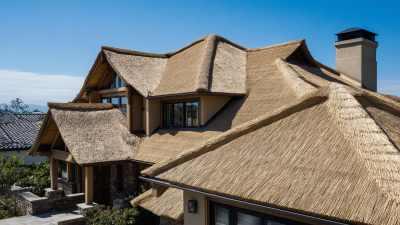
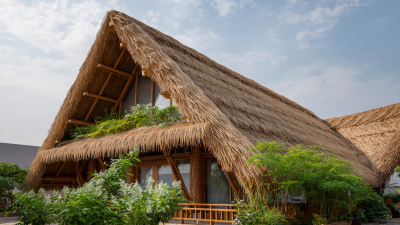
In contemporary landscaping, aesthetics and sustainability drive choices. One innovative solution gaining traction is Plastic Synthetic Thatch. This material mimics traditional thatch but offers numerous benefits. According to industry reports, synthetic thatch reduces maintenance costs by up to 50% compared to natural alternatives, appealing to budget-conscious landscapers.
Plastic Synthetic Thatch is lightweight and weather-resistant, making installation easier and more efficient. Installers appreciate its durability against pests and rot, which natural thatch often succumbs to. With a lifespan of over 25 years, this material encourages long-term planning in residential and commercial projects.
However, some critics argue that synthetic materials lack the charm of their natural counterparts. The visual impact is subject to personal taste. A balance must be struck between sustainability and authentic beauty. Ultimately, the rise of Plastic Synthetic Thatch prompts a reevaluation of what modern landscaping can achieve.
Advantages of Durability and Longevity of Plastic Synthetic Thatch
Plastic synthetic thatch offers remarkable durability and longevity, making it an attractive option for modern landscaping. According to a 2022 industry report, synthetic thatch can last up to 25 years with minimal maintenance. This lifespan is substantially longer than traditional thatch, which may require replacement every 5 to 10 years due to weathering and pests.
In addition to its impressive lifespan, synthetic thatch is resilient against harsh weather conditions. A study revealed that it remains intact in wind speeds of up to 100 mph. This durability means fewer replacements and repairs, reducing long-term costs for landowners. Moreover, synthetic materials resist mold, mildew, and insects. This feature provides an advantage for landscaping projects in humid or pest-prone regions.
While the benefits are significant, there are considerations. Some users have reported that synthetic options can retain heat more than natural materials. This may create discomfort in warmer climates. Additionally, the initial investment can be higher than that of traditional thatch. Evaluating your landscape needs and environment is crucial. Choose wisely to enhance both aesthetics and functionality.
Cost-Effectiveness Compared to Traditional Thatch Materials
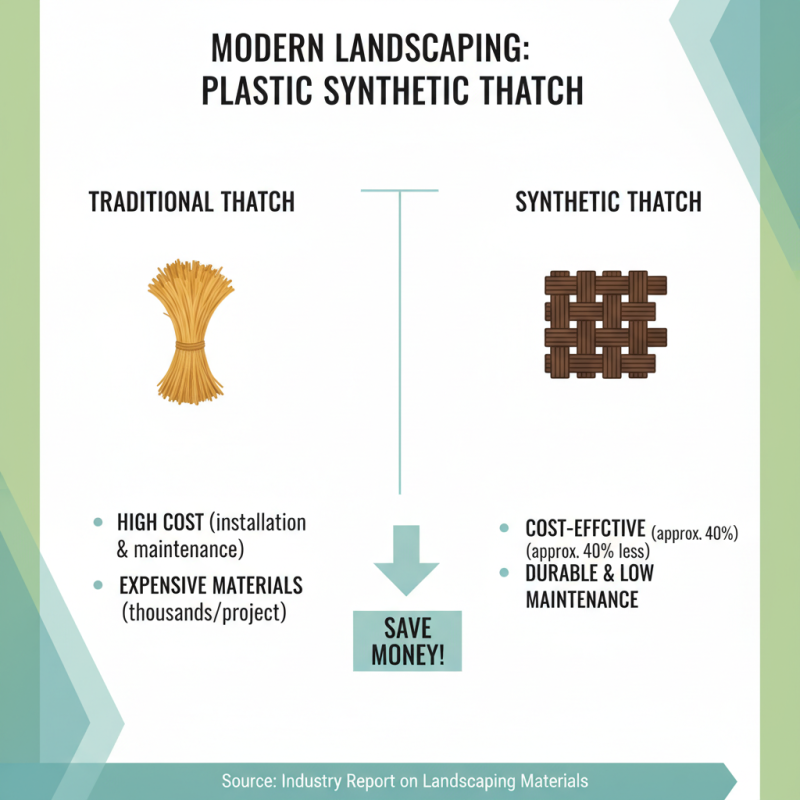
When considering modern landscaping solutions, plastic synthetic thatch has emerged as a cost-effective alternative. Traditional thatch materials can be expensive, with installation and maintenance costs reaching thousands of dollars per project. A recent industry report found that synthetic materials can reduce costs by approximately 40%. This statistic highlights the financial advantages of opting for synthetic thatch over conventional options.
In addition to its affordability, plastic synthetic thatch offers durability. Traditional thatch often requires annual upkeep, which adds to long-term expenses. In contrast, synthetic thatch can last up to 25 years, significantly reducing replacement costs. The initial investment is higher, yet the longevity makes it a smarter financial choice for many property owners. However, some professionals raise concerns about the environmental impact of synthetic materials, which merits further consideration.
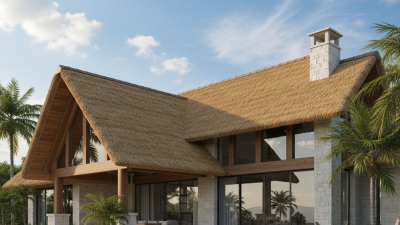
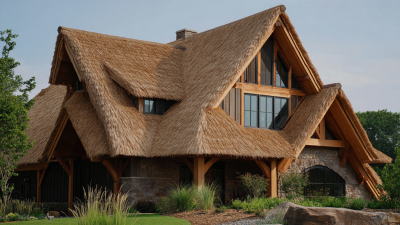
Aesthetically, synthetic thatch mimics traditional styles closely, yet with minimal upkeep. Many homeowners appreciate this blend of beauty and practicality. However, achieving an authentic look can require careful selection and installation. The need for knowledgeable installers is vital to ensure satisfactory results. Balancing cost, look, and impact is not always straightforward, leading to mixed reviews within the industry.
Eco-Friendly Properties and Sustainable Manufacturing Practices
Plastic synthetic thatch is gaining traction in modern landscaping. One key advantage is its eco-friendly properties. Unlike traditional materials, synthetic thatch can be recycled at the end of its life. According to a report by the Environmental Protection Agency, about 52% of all plastics are not recycled. Utilizing synthetic alternatives helps reduce waste significantly.
Furthermore, sustainable manufacturing practices are essential in producing plastic thatch. Many manufacturers now use renewable energy sources in their production processes. Studies indicate that solar energy in manufacturing can reduce greenhouse gas emissions by up to 45%. This shift not only promotes environmental stewardship but also encourages industry accountability.
However, some concerns linger. The long-term effects of plastic on soil and plants are still debated. Additionally, more research is necessary to improve the life cycle of these materials. Balancing durability with sustainability remains a challenge. As the industry evolves, addressing these issues will be crucial for wider acceptance of synthetic thatch.
Versatile Applications in Various Landscaping Designs
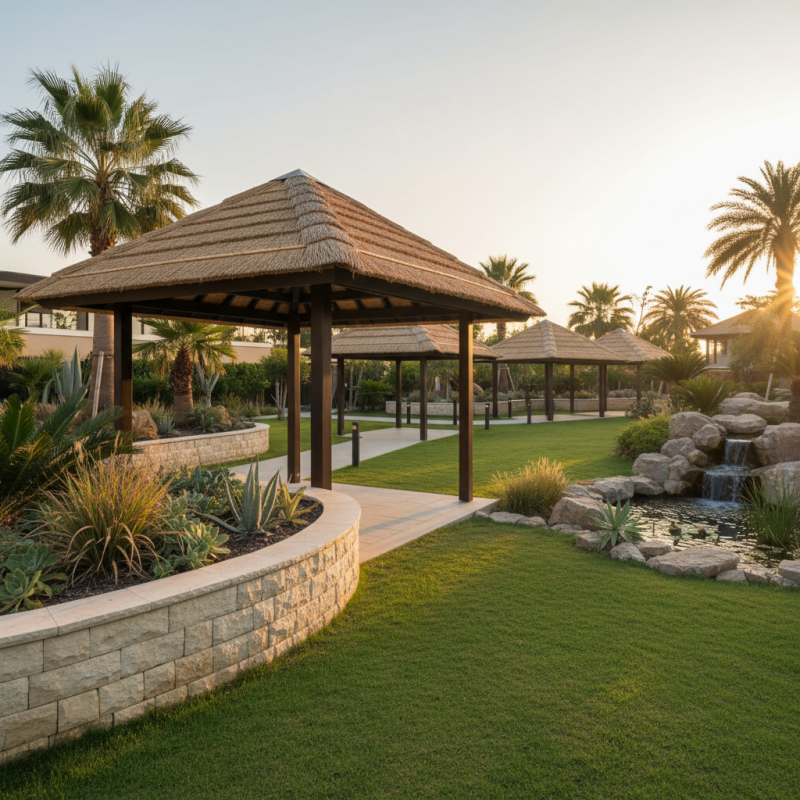
Plastic synthetic thatch is gaining popularity in landscaping. Its versatility makes it suitable for various designs. This material mimics traditional thatch yet has a modern twist. It’s lightweight and easy to install, which benefits many projects.
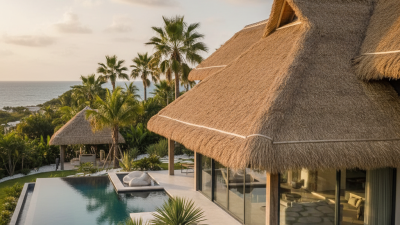
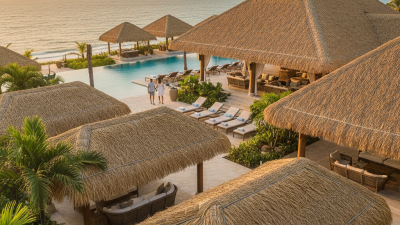
Consider using synthetic thatch for tropical-themed gardens. It creates an instant vacation vibe. You can also blend it into contemporary landscapes for a unique flair. Install it on pergolas or outdoor bars to enhance ambiance.
Tip: Ensure you choose colors that complement your existing décor. Experiment with different arrangements before settling on a layout. Personal style plays a big role in execution. Test and tweak until you’re satisfied.
| Benefit |
Description |
Application Areas |
Durability |
| Weather Resistance |
Resilient against UV rays, rain, and other weather conditions. |
Parks, Patios |
10-15 Years |
| Cost-Effective |
Lower initial investment compared to natural thatch. |
Residential, Commercial Landscapes |
N/A |
| Lightweight |
Easier to install and transport than natural materials. |
Rooftops, Outdoor Bars |
N/A |
| Eco-Friendly |
Made from recyclable materials that reduce environmental impact. |
Sustainable Gardens, Eco-Friendly Projects |
Long-lasting |
| Aesthetic Appeal |
Provides a natural look and feel to landscaping designs. |
Backyards, Resorts |
N/A |
Low Maintenance Requirements and Weather Resistance Features
Plastic synthetic thatch is gaining traction in modern landscaping. Its low maintenance requirements are a significant advantage. Unlike traditional materials, synthetic thatch does not require regular upkeep like replacing decaying or damaged components. You can enjoy an attractive landscape without the hassle of frequent maintenance. Reports show that homeowners save up to 50% on landscaping costs over five years by choosing synthetic options.
Weather resistance is another notable feature. Plastic thatch can withstand harsh sunlight, heavy rain, and even snow. Traditional thatch often deteriorates under such conditions, leading to added costs. Synthetic thatch remains stable and vibrant, regardless of the climate. An industry study revealed that synthetic products can last up to 25 years, drastically outpacing natural alternatives.
Tips: Consider color and texture when selecting synthetic thatch for your project. A well-chosen hue can enhance your space. Inspect the installation periodically. Even low-maintenance products benefit from simple upkeep checks. Remember, while synthetic thatch is resilient, it still deserves care to maximize its lifespan.