2026 Best Fireproof Synthetic Thatch Features and Benefits?
In the ever-evolving world of construction and design, "Fireproof Synthetic Thatch" stands out as a remarkable innovation. According to expert Dr. James Thornton, a renowned architect in sustainable building materials, "Fireproof Synthetic Thatch revolutionizes safety while retaining aesthetic charm." This statement captures the essence of a material that not only enhances the visual appeal of structures but also addresses critical safety concerns.
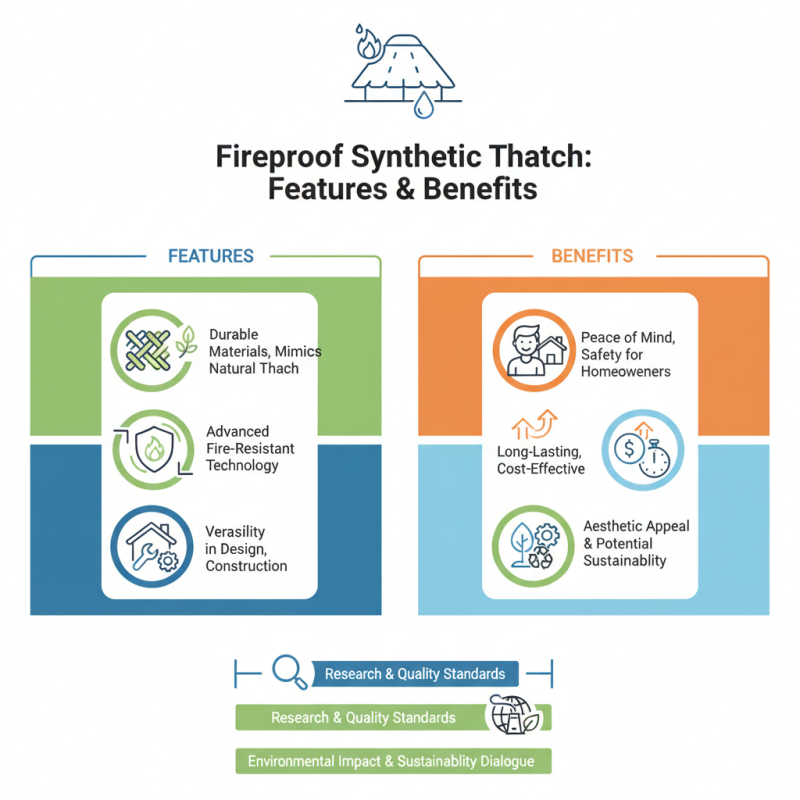
The features of Fireproof Synthetic Thatch are impressive. It is crafted from durable materials that mimic natural thatch, offering versatility in design. By incorporating advanced fire-resistant technology, it provides peace of mind for homeowners and builders alike. Yet, not all products on the market are equal. Some may not meet high safety standards, leading to potential risks. Consumers must thoroughly research to identify quality options.
Furthermore, while Fireproof Synthetic Thatch appears to be an ideal solution, it is essential to consider its environmental impact. The manufacturing process may have hidden consequences that warrant reflection. Balancing aesthetics, safety, and sustainability is crucial. As the industry evolves, ongoing dialogue about these factors will shape the future of fireproof materials.
Overview of Fireproof Synthetic Thatch Materials
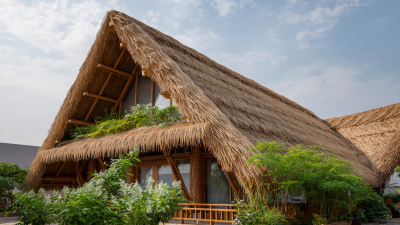
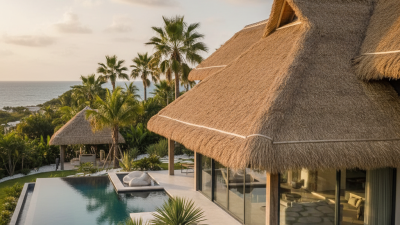
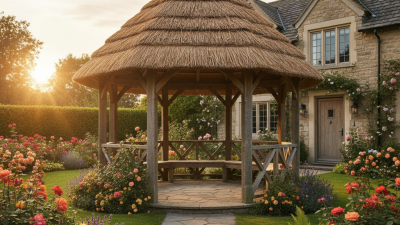
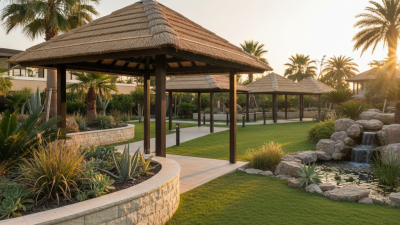
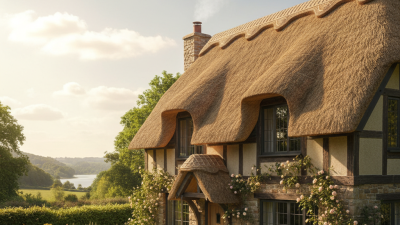
Fireproof synthetic thatch materials have gained popularity for their safety features and aesthetic appeal. These materials mimic traditional thatch but offer enhanced fire safety. They are often made from durable, resilient fibers that can withstand various weather conditions. The technology behind these materials helps prevent fire from spreading, providing peace of mind for homeowners.
When choosing fireproof synthetic thatch, consider its resistance to fading and degradation. Some synthetic options are designed to look like natural materials while providing better longevity. You may also want to check the installation requirements. Some materials may require professional installation, while others are user-friendly and can be DIY projects.
Tips for selecting the right material include assessing local fire codes and regulations. Be aware that not all synthetic thatch is created equal. Look for products that have been tested for fire ratings. Additionally, think about the visual impact on your property. Does it fit your style? Reflect on how well it integrates with your home's design, as aesthetics are as important as safety.
2026 Best Fireproof Synthetic Thatch Features and Benefits
| Feature |
Details |
Benefits |
| Fire Resistance |
Meets fire safety regulations |
Increased safety and compliance |
| Durability |
Resistant to weather and UV damage |
Long-lasting appearance and performance |
| Aesthetic Appeal |
Natural look mimicking traditional thatch |
Enhances property value and curb appeal |
| Maintenance |
Minimal upkeep required |
Saves time and reduces long-term costs |
| Eco-Friendly |
Made from recycled materials |
Promotes sustainability |
Key Features of the Best Fireproof Synthetic Thatch
When considering fireproof synthetic thatch, several key features stand out. This type of thatch is designed to mimic the natural look of traditional materials while offering enhanced safety. According to industry reports, fire incidents related to roofing materials have decreased significantly with the adoption of synthetic alternatives. This is largely due to their resistance to ignition and ability to self-extinguish, as validated by numerous fire safety tests.
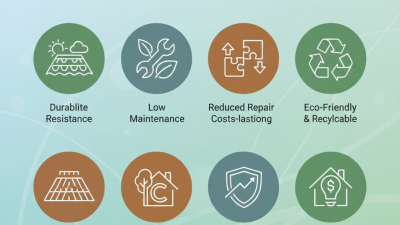
In terms of durability, fireproof synthetic thatch typically has a lifespan of over 25 years. This surpasses many natural products, which can degrade after just a few seasons. The materials used are often UV resistant, preventing fading and color loss. However, the initial investment can be higher than that of traditional thatch. This might deter some buyers who prioritize low upfront costs over long-term benefits.
Aesthetics also play a crucial role. Many options available look remarkably similar to authentic thatch, retaining the charm without the associated fire risks. Additionally, maintenance is often reduced, which can be a boon for property owners. Yet, there remains a learning curve for installers unfamiliar with synthetic materials. Understanding the nuances of installation is vital for optimal performance.
Benefits of Using Fireproof Synthetic Thatch in Construction
Fireproof synthetic thatch is gaining popularity in construction due to its numerous benefits. One major advantage is its superior resistance to fire compared to natural thatch. According to a recent industry report, structures using fireproof materials can reduce fire risk by up to 70%. This is crucial in regions prone to wildfires or fire-related hazards.
Moreover, synthetic thatch often comes with a longer lifespan. Unlike organic materials that deteriorate over time, fireproof synthetic options remain intact under harsh weather conditions. They do not attract pests, reducing maintenance costs significantly. Reports indicate that homeowners can save about 30% on upkeep compared to natural thatch.
**Tip:** When considering materials, always check fire ratings. Look for certifications that indicate superior fire resistance.
Incorporating fireproof synthetic thatch presents challenges. Some builders question its aesthetic appeal compared to natural products. There’s a perception that synthetic materials lack the charm of traditional thatch. Still, modern designs offer realistic looks that can blend well with various architectural styles. It’s an area worth reflecting on as the market evolves.
**Tip:** Take samples of different materials to see how they perform in both aesthetics and durability.
Comparative Analysis of Fireproof and Traditional Thatch
Thatch roofing has been traditionally valued for its aesthetic charm. However, it poses significant fire risks, primarily due to its organic composition. In contrast, fireproof synthetic thatch, designed to mimic natural materials, provides numerous benefits while prioritizing safety. According to a report from the National Fire Protection Association (NFPA), structures with traditional thatch are over 50% more likely to experience fire damage compared to those with modern fireproof options.
In a comparative analysis, fireproof synthetic thatch showcases remarkable fire resistance. It can withstand temperatures exceeding 1,200 degrees Fahrenheit. This capability significantly lowers insurance premiums, reducing costs for homeowners over time. Moreover, synthetic options often last longer than traditional thatch. A study by the International Journal of Roofing Technology suggests that synthetic thatch can extend the lifespan by up to 25 years, with less maintenance required.
Despite these advantages, some still question the aesthetic value of synthetic alternatives. Critics argue that they lack the authentic feel of natural thatch. This perception remains a hurdle in broader acceptance. Yet, recent advancements in technology are addressing these concerns, blending functionality with aesthetics in innovative ways. As awareness grows, the shift towards fireproof synthetic solutions could become a standard practice in roofing.
Maintenance Tips for Fireproof Synthetic Thatch Products
Maintaining fireproof synthetic thatch is essential for its longevity and performance. Regular cleaning is crucial. Dust and debris can accumulate over time, affecting its appearance. Use a soft brush or a gentle hose spray to remove dirt. Avoid harsh chemicals that may degrade the material.
Inspect the roof periodically for signs of wear. Look for any loose sections or fraying. Small repairs can prevent larger issues later. Make sure that the edges are secure to withstand wind and weather. If you notice damage, consider patching it up promptly. This simple act can save you from costly repairs down the road.
Additionally, consider seasonal maintenance. In fall, remove leaves and branches. During winter, ensure snow does not pile up excessively. High snow loads can stress the structure. Keeping up with these tasks requires attention, but it enhances the lifespan of your synthetic thatch. It’s a proactive approach that pays off in the long run.